
Heatwaves increase disease spread by contaminating water, spoiling food, boosting mosquito breeding, raising pollution, and weakening immunity.
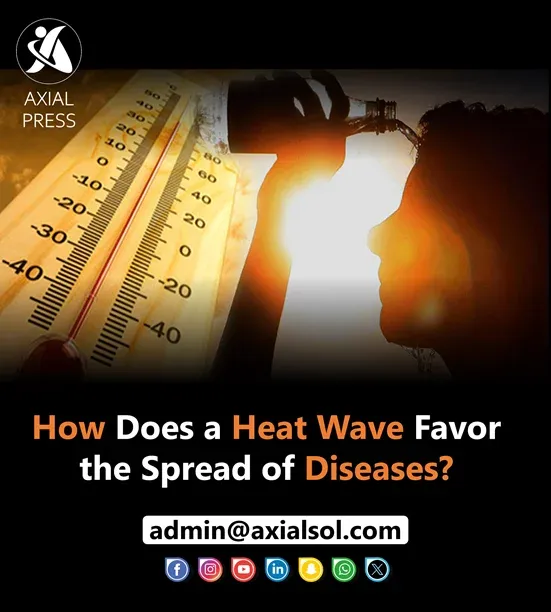
How Heatwaves Contribute to the Spread of Diseases
A heatwave doesn’t just make the weather unbearable—it also puts human health at serious risk. Prolonged exposure to extreme heat can lead to multiple health problems and create conditions that help diseases spread more quickly.
1. Waterborne Diseases
Rising temperatures can easily contaminate water sources like lakes, ponds, and reservoirs. Warm water encourages the growth of harmful microorganisms that cause illnesses like diarrhea, typhoid, and cholera. People who drink or use this contaminated water are more likely to fall sick, especially in areas with poor sanitation.
2. Foodborne Diseases
Hot weather speeds up food spoilage. Bacteria multiply much faster in warm conditions, turning fresh food into a breeding ground for infection. This increases the risk of food poisoning and stomach infections, especially when food is left outside for long periods or not stored properly.
3. Mosquito-Borne Illnesses
Heat and humidity provide the perfect environment for mosquitoes to breed. During heatwaves, their population can grow rapidly, spreading diseases like dengue, malaria, and chikungunya. Stagnant water in open containers, pots, or drains becomes an ideal breeding site, turning cities and villages into mosquito hotspots.
4. Airborne and Respiratory Diseases
Extreme heat often worsens air pollution by increasing dust and smog levels. Poor air quality can trigger respiratory problems such as asthma, allergies, and chronic bronchitis. People with pre-existing breathing issues are especially vulnerable during these hot periods.
5. Physical Weakness and Reduced Immunity
High temperatures cause dehydration and electrolyte imbalance, which weaken the body and reduce energy levels. When the body is dehydrated, its immune system cannot function properly. The result makes people more prone to infections and slows recovery from illnesses.
In Summary
Heatwaves affect comfort and threaten public health in multiple ways. Staying hydrated, avoiding direct sunlight, and maintaining good hygiene are essential steps to protect against the diseases that spread more easily in extreme heat.